
Chiropractic care prioritizes patient safety during adjustments, focusing on gentle, controlled techniques supported by research. Red Flags Chiropractic Treatment include sudden intense pain, neurological symptoms, dizziness, excessive force, and lack of consultation. History, physical examination, and specific spinal conditions should guide treatment decisions. Tailored treatment plans, regular communication, and collaboration with medical professionals enhance patient safety and outcomes, especially for complex cases.
In the realm of healthcare, ensuring patient safety is paramount, especially when addressing aggressive or unsafe adjustment techniques commonly associated with chiropractic treatment. Red Flags Chiropractic Treatment has emerged as a critical aspect of modern practice, helping professionals identify and mitigate potentially harmful practices. This article delves into the significance of recognizing dangerous adjustments, highlighting key red flags that signify risky procedures. By providing an authoritative guide, we aim to empower healthcare providers and advocates to prioritize patient well-being, fostering responsible chiropractic care and preventing iatrogenic harm.
- Identifying Red Flags in Chiropractic Adjustments
- Understanding Safe vs. Aggressive Techniques
- When to Seek Alternative Treatments: Red Flag Warnings
Identifying Red Flags in Chiropractic Adjustments
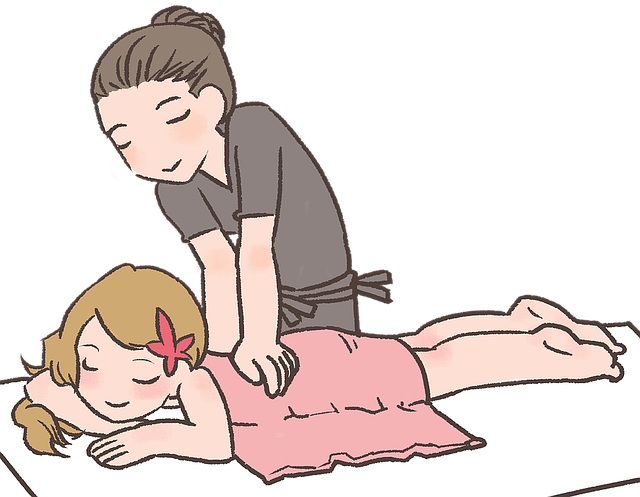
In the realm of chiropractic care, ensuring patient safety during adjustment techniques is paramount. Chiropractors must possess keen observational skills to identify subtle cues indicating potential risks or complications, especially when dealing with aggressive adjustments. Recognizing these red flags in chiropractic treatment can prevent adverse outcomes and protect both practitioner and patient. For instance, sudden and intense pain reported by the patient during or immediately after an adjustment may signify a severe reaction, requiring immediate cessation of the procedure.
One critical indicator is the presence of neurological symptoms post-adjustment. If patients experience numbness, tingling, or weakness in extremities, it could suggest nerve damage or compression. Moreover, any signs of dizziness, lightheadedness, or fainting during or after treatment warrant careful consideration as they may indicate cardiovascular issues or a drop in blood pressure. Chiropractors should also pay attention to patient history and physical examination findings, such as previous severe injuries, osteoporosis, or specific spinal conditions, which might contraindicate aggressive manipulation techniques.
Practical advice for chiropractics involves implementing detailed patient assessment protocols and maintaining thorough medical records. Documentation of adjustment techniques, forces applied, and patient responses allows practitioners to track potential risks and make informed decisions. Additionally, staying updated with the latest research and guidelines on safe chiropractic practices ensures evidence-based decision-making. Regular peer reviews and continuing education can foster a culture of safety within the profession, ultimately enhancing patient trust and outcomes.
Understanding Safe vs. Aggressive Techniques

When considering chiropractic treatment, understanding the distinction between safe and aggressive adjustment techniques is paramount. Safe techniques prioritize the patient's well-being, utilizing gentle, controlled movements to align the spine. These methods are supported by extensive research demonstrating their effectiveness in alleviating pain and improving mobility with minimal risk of harm. For instance, a 2018 study published in the Journal of Manipulative and Physiological Therapeutics found that conservative chiropractic adjustments were highly effective for lower back pain, with no significant adverse effects reported.
In contrast, aggressive adjustment techniques employ rapid, forceful movements, often accompanied by audible pops or cracks. While some patients may experience temporary relief, these methods raise serious concerns. Red flags for potentially unsafe practices include excessive force, patient discomfort beyond tolerable levels, and the absence of a thorough consultation to assess individual health needs. Chiropractors employing aggressive techniques risk causing neurological damage, joint dislocation, or even fractures, as evidenced by case studies documenting such complications following high-impact adjustments.
Expert chiropractors emphasize patient safety above all else. They tailor treatment plans to specific conditions and individual responses, avoiding aggressive maneuvers unless absolutely necessary under careful monitoring. Regular communication between chiropractor and patient ensures informed consent and allows for prompt intervention if any Red Flags Chiropractic Treatment emerge during the course of care. Ultimately, choosing a chiropractor committed to safe, evidence-based practices is crucial for achieving lasting wellness without undue risk.
When to Seek Alternative Treatments: Red Flag Warnings

When considering chiropractic treatment, it's crucial to recognize red flags that may signal a need for alternative approaches or more careful consideration. While chiropractic care is often non-invasive and beneficial for many conditions, certain situations warrant extra vigilance. Red flags in chiropractic treatment can include severe or sudden pain not alleviated by typical adjustments, indications of nerve damage or compression, or symptoms suggesting an underlying structural instability. For instance, patients experiencing numbness, tingling, or weakness, especially below the neck or in the limbs, should be evaluated thoroughly, as these could point to critical conditions like herniated discs or spinal cord compression.
Moreover, chiropractic treatments should not aggravate existing pain or cause new symptoms. If a patient experiences intense discomfort immediately after an adjustment or reports worsening pain and mobility, it's imperative to discontinue the treatment regimen. These red flags suggest that the chosen adjustment techniques might be inappropriate for that particular patient's condition. For example, while some patients may benefit from more aggressive adjustments, others with certain spinal conditions require gentle, precision-based methods to avoid further damage.
Seeking alternative treatments or consulting with a medical professional is recommended when encountering any of these red flags. Chiropractors themselves often collaborate with physicians and other specialists to ensure patient safety and provide the most effective care. Data from recent studies supports this collaborative approach; research indicates that combined chiropractic and medical care leads to better outcomes, particularly for complex cases, compared to chiropractic treatment alone. Therefore, staying vigilant and proactive regarding potential red flags in chiropractic treatment is essential for achieving positive outcomes and preventing complications.
In navigating the realm of chiropractic adjustments, recognizing Red Flags Chiropractic Treatment is paramount for both patients and practitioners. The article has illuminated critical distinctions between safe and aggressive techniques, empowering readers to identify potential risks associated with certain adjustment methods. Understanding these red flags is essential for ensuring patient safety and fostering trust in chiropractic care. Key takeaways include the importance of informed consent, the necessity of individual assessment, and the awareness of when alternative treatments may be more appropriate. By heeding these insights, healthcare providers can enhance their practices, and patients can make informed decisions, ultimately revolutionizing the way they approach chiropractic treatment with confidence and peace of mind.